Southeast Asia’s trade finance landscape is undergoing a seismic shift. With intra-ASEAN trade exceeding $700 billion annually, the region’s paper-heavy processes are finally giving way to digital transformation—and Document AI is leading the charge.
The Perfect Storm: Why Now?
Three forces are converging to accelerate digitization in Southeast Asian trade finance:
- Regulatory Tailwinds: Singapore’s Trade Trust framework and Thailand’s National Digital ID initiative are creating standardized digital infrastructures. These government-led efforts are removing long-standing barriers to cross-border document verification.
- SME Financing Gap: The Asian Development Bank estimates a $2.5 trillion trade finance gap across Asia, with SMEs bearing the brunt. Traditional paper-based processes often take 5-7 days for invoice verification alone—a lifetime for cash-strapped businesses.
- Post-Pandemic Digital Acceleration: COVID-19 forced even the most traditional traders to embrace digital tools. What started as necessity has evolved into competitive advantage.
Document AI: The Game Changer
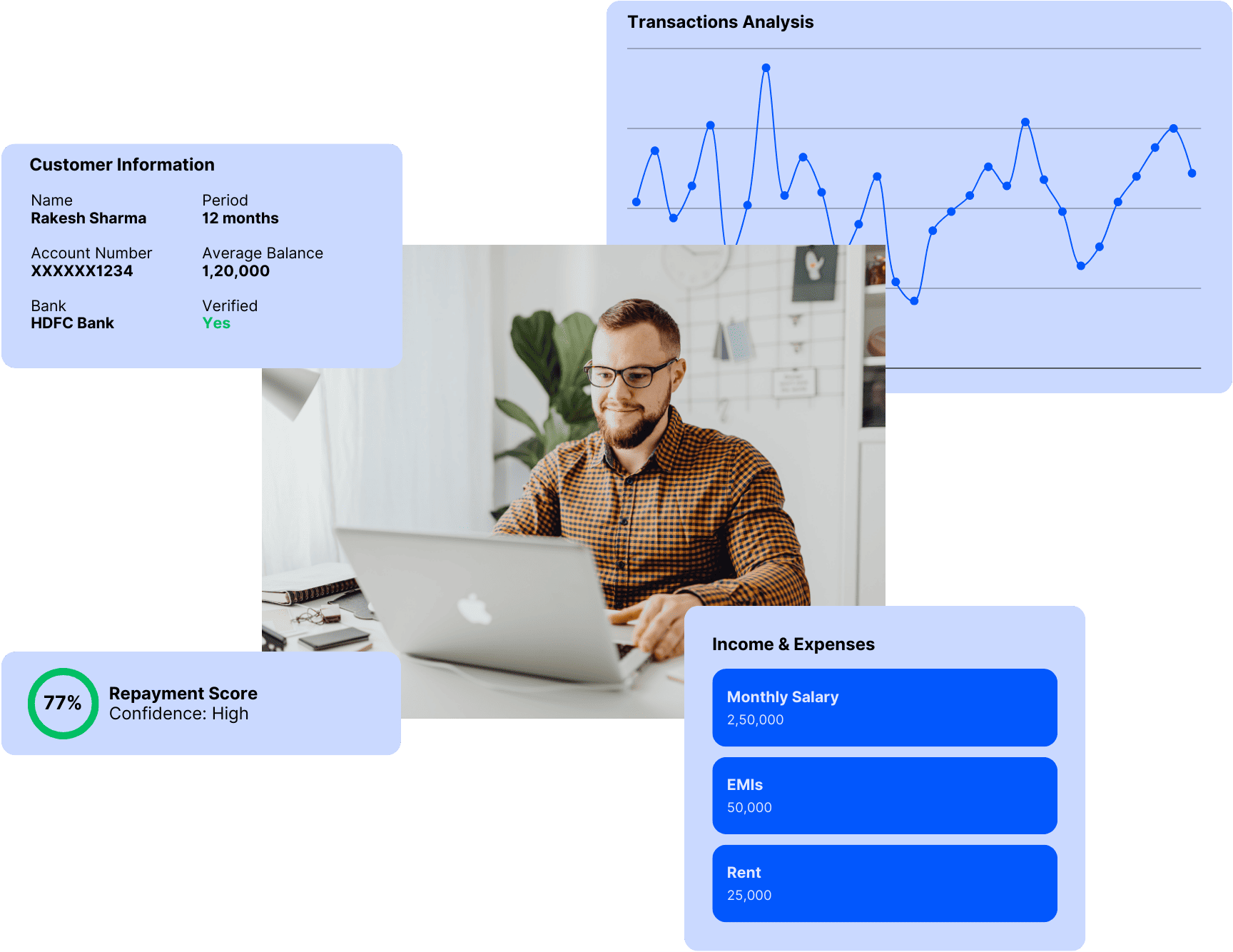
This is where solutions like GLIB’s Document AI become transformative. By converting unstructured banking documents into actionable data within seconds, we’re not just digitizing—we’re reimagining the entire workflow.
Consider a typical bank processing 200 loan applications daily across diverse formats and languages. Traditional OCR might capture 70% accurately. Modern Document AI achieves 95%+ accuracy while understanding context, detecting fraud risks, and flagging regulatory compliance issues.
Real Impact: Beyond Efficiency
- Speed: Invoice processing time drops from days to minutes.
- Accuracy: Error rates plummet from 15% to under 2%.
- Insights: Hidden patterns in trade data become visible.
- Compliance: Automatic flagging of regulatory issues.
The Path Forward
As ASEAN moves toward a unified digital economy by 2030, Document AI will be the bridge between legacy systems and future innovation. Financial institutions that embrace this technology today aren’t just improving operations—they’re positioning themselves at the forefront of Southeast Asia’s economic transformation.
The question isn’t whether to digitize, but how quickly you can adapt. In trade finance, the future belongs to those who can turn documents into decisions at the speed of commerce.